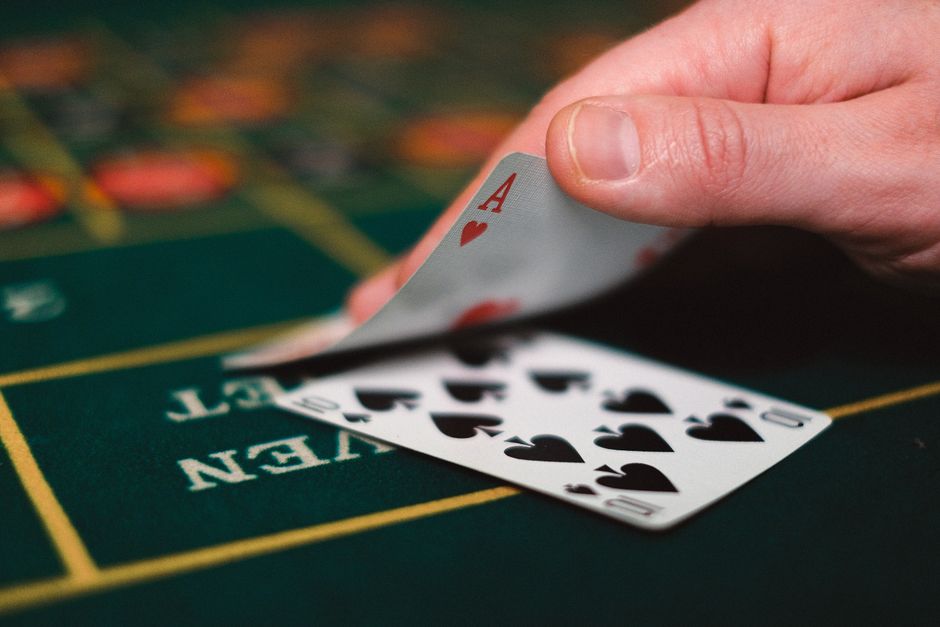
Slots, Poker, and the House Edge: A Bettor's Reality Check
The first time I watched a slot streamer hit a $60,000 bonus on a $2 spin, I felt the same thing every new bettor feels: that could be me. Two years, two poker group chats, and one embarrassing sports betting spreadsheet later, I know better. Not because gambling is rigged — it isn't, at least not in regulated markets — but because most people walk into a casino, whether online or brick-and-mortar, without understanding the math working against them. This piece is what I wish someone had handed me on day one.
The House Edge, Explained Without the Fluff
Every game you play in a casino has a built-in profit margin for the operator. That margin is called the house edge, and it's the difference between what you're likely to win and what the casino keeps over time. It isn't a scam — it's the business model.
Here's a concrete comparison so you can see how wildly the math varies by game:
- Blackjack (good rules, basic strategy): roughly 0.5% house edge. This is the closest thing to a fair fight you'll find.
- Baccarat (banker bet): about 1.06%.
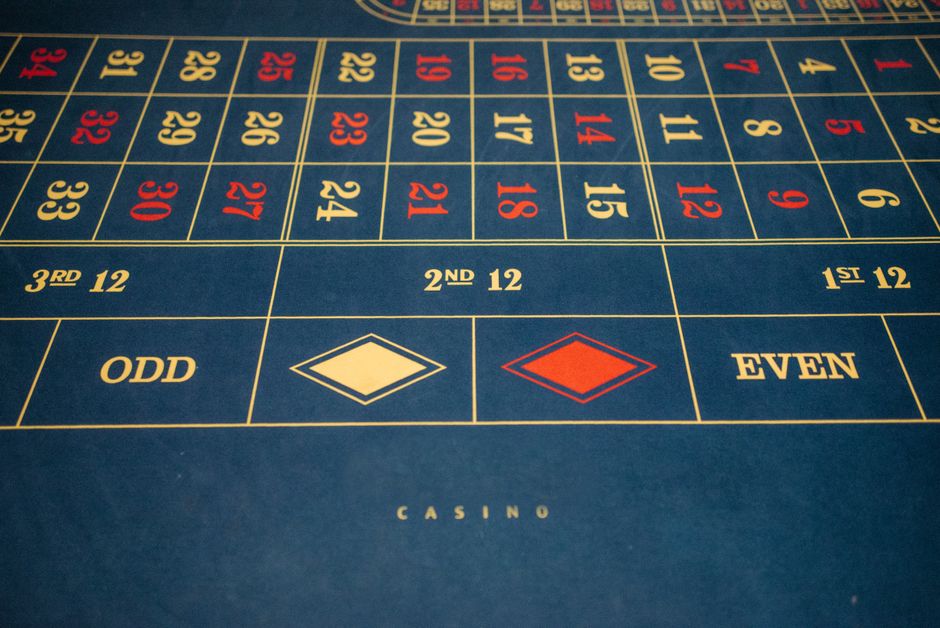
- European roulette: 2.7%. American roulette, with its extra double-zero pocket, jumps to 5.26%.
- Slots (online, typical RTP of 95-96%): effective house edge of 4-5%.
- Keno and casino war: often north of 7% and 15% respectively. Avoid these unless you're paying for entertainment, because that's all it is.
Over a short session, variance can bury this truth entirely. Play ten hands of blackjack and you might double your money. Play 10,000 and you'll feel the edge pressing down on your stack like a slow leak.
Slots: Just RTP and Volatility, Nothing Else
Slot machines get more mythology than any other game. The blinking lights, the near-misses, the bonus rounds that spin for three minutes — all of it is skin over a random number generator. What actually matters comes down to two numbers: return to player (RTP) and volatility.
RTP tells you what you get back long-term
A 96% RTP slot returns, on average, $96 for every $100 wagered — but only across millions of spins. In a 300-spin session, that number is meaningless to you. What matters more is finding the RTP before you play, because regulated platforms publish it. Some progressive jackpot slots have RTPs as low as 88%, while high-RTP titles like some Megaways releases sit around 96-97%. We found 78Win to be a handy reference here.
Volatility tells you how the money flows
Low-volatility slots pay small amounts often. High-volatility slots can drain your balance for hundreds of spins and then drop a 2,000x win. If you're playing high volatility with a $50 bankroll at $1 spins, you're not gambling — you're paying for a story about the one time you almost cracked it.
One tangible tip: check whether the slot's RTP changes between markets. Some providers set a lower RTP version for certain countries. Two seconds of research can be worth hundreds of dollars in expectation.
Poker Is a Different Sport Entirely
Poker doesn't have a house edge in the same way. The casino takes a rake — usually 2-10% of the pot, capped at a few dollars — and the rest is you against other players. That distinction makes poker the only casino game where a skilled player can legitimately grind a profit.
But skill in poker isn't what movies sell. It isn't reading souls or calling bluffs with 72 offsuit because you "felt it." It's an accumulation of small, boring, mathematically sound decisions:
- Playing tight from early position and loosening up on the button.
- Understanding pot odds before you call any bet.
- Accepting that folding a mediocre hand is often the most profitable play you'll make in a session.
- Tracking your win rate in big blinds per 100 hands (bb/100), not dollars — dollars fluctuate with stakes, bb/100 tells you if you're actually improving.
- Quitting when you're tilted, which is the hardest step on this list by a wide margin.
If you're new, start at micro-stakes. Learning to lose $20 slowly is the cheapest poker education available.
Betting and Bankroll Rules That Actually Hold Up
Whether you're betting on sports or grinding a slot session, bankroll management is the only thing separating a hobby from a financial mistake. Three rules I follow without exception:
- Flat-bet a small percentage. One to two percent of your total bankroll per bet or spin. Never chase a loss by doubling.
- Separate your gambling money from everything else. If your rent money touches a betting account, stop immediately.
- Set stop-losses and stop-wins before the session starts. The number you pick when you're calm is the only one worth trusting.
Betting markets also add another wrinkle: vig or juice. A standard -110 spread means you have to win 52.4% of your bets just to break even. Most recreational bettors land around 50%. That gap is the business.
The Bonus Trap Most New Players Walk Into
Welcome bonuses look like free money. They aren't. Wagering requirements, game weightings, maximum cashout caps, and expiry windows turn a $500 bonus into a locked vault that requires thousands of qualifying bets. Before claiming any offer, calculate the expected value: bonus amount minus (wagering requirement × average house edge). Many bonuses are actually negative EV for the player once you run the math.
That doesn't mean every bonus is a scam — high-RTP slot spins with 20x wagering on no-deposit bonuses can be genuinely profitable. But you have to do the arithmetic, not just click claim. There is a useful overview at 78 Win.
The One Thing Every Bettor Eventually Learns
Skill moves the needle. Awareness moves it further. In poker, study time separates winners from donators. In slots and sports betting, understanding RTP, volatility, and vig separates informed entertainment from a one-way pipeline to a casino's quarterly report. Choose games where the math is closest to fair, bet amounts you won't regret, and treat anything past that as a paid hobby — because that's exactly what it is. The best bankroll strategy isn't picking a winning slot. It's walking away before the RNG decides it isn't your night.

The House Always Wins? Why Smart Players Still Beat the Odds
Here's a number that should stop you cold: a 2023 study of online slot players found the average session...
RNG vs. Live Dealers: Which Casino Game Suits You More?
Here is the oldest argument in gambling, and nobody has won it yet: do you trust a machine, or do you...
About Us