
The House Always Wins? Why Smart Players Still Beat the Odds
Here's a number that should stop you cold: a 2023 study of online slot players found the average session lasted 22 minutes, during which the player made 340 spins. At a typical 96% RTP, that's fine. At a 92% RTP on a high-volatility machine, the math quietly eats you alive. The difference between those two figures sounds trivial — four percentage points — but over hundreds of spins it compounds into a vastly different outcome. This is the uncomfortable truth at the heart of iGaming: the same math that makes casinos profitable is the math smart players use to survive longer, play sharper, and occasionally walk away ahead.
Whether you're spinning slots at 3 a.m., grinding micro-stakes poker, or sweating a Sunday accumulator, understanding what you're actually up against changes everything. Let's break down the real mechanics.
RTP, House Edge, and Why They Matter More Than Bonuses
Every casino game carries a built-in advantage for the house. This is not a secret, and it's not a scam — it's the business model. What matters is how big that edge is and whether you're playing a version that's more favorable than the default.
Take blackjack. A standard 3:2 payout game with basic strategy gives the house around 0.5%. But plenty of tables pay 6:5 on blackjack, which pushes the edge toward 1.5% to 2%. Same game, triple the cost. If you play 200 hands at $10 a hand, that difference works out to roughly $200 more bled over a session — real money, gone, for nothing more than a table rule. There is a useful overview at สล็อตเว็บตรง.
Slots work differently. There's no strategy, but there is choice:
- RTP (return to player) tells you the long-run payout percentage. A 96.5% slot loses $3.50 per $100 wagered; a 94% slot loses $6.
- Volatility describes variance. High-volatility slots pay rarely but big; low-volatility slots pay often but small. Your bankroll depth should match the volatility.
- Max bet rules often gate the top jackpot. Some progressive slots only award the big one if you're playing max lines — check before you spin.
The takeaway isn't "find the highest RTP and win." It's "know what you're paying per hour for entertainment, and decide if that's acceptable."
The Poker Section Where Skill Actually Wins
Poker is the outlier in the iGaming world. It's the one mainstream game where a skilled player can reliably beat the rake and turn a profit — not because the luck disappears, but because the skill edge is large enough to dominate over thousands of hands.
A common saying in poker circles: "It's a hard way to make an easy living." True. But the data backs up the skill claim. Studies of online poker hand histories consistently show the top 10% of players winning at rates far beyond variance, while the bottom 50% lose steadily. The difference isn't supernatural reads — it's fundamentals:
- Position. Acting last gives you information. A hand like A-10 suited is profitable on the button and marginal under the gun.
- Bankroll management. Cash game buy-in rules generally suggest 20 to 40 buy-ins for your stake. Tournaments need 50 to 100. Ignore this and one bad run ends your hobby.
- Table selection. A good player at a bad table is still losing money. Find soft games — the pros do it relentlessly.
- Volume and review. Tracking software, hand-history review, and studying spots away from the table is where profit gets manufactured.
Poker remains the iGaming discipline where effort converts directly into edge. Slots and roulette don't offer that. Which brings us to the trickier subject: betting.
Sports Betting Is a Margin Game, Not a Prediction Game
Most bettors believe they're betting on who wins. Sharp bettors understand they're betting on price. The winner matters less than whether the odds you took were better than the true probability of the outcome.
Consider a coin flip. Fair odds would be +100 (even money). If a bookmaker offers +105, that's value. If they offer -110 (the standard juice on most bets), the house holds roughly 4.5% on a two-outcome market. Over hundreds of bets, that vig quietly drains even the best handicappers.
This is why line shopping isn't optional — it's survival. Having accounts at four or five sportsbooks and always taking the best number on a given market can flip a losing bettor to breakeven, and a breakeven bettor to profitable. A half-point swing on a spread or a small change in an over/under can be worth several percentage points of long-term ROI.
Bonus terms matter here too. A "$500 risk-free bet" might sound generous, but the fine print often converts it into site credit, not cash, sometimes at a 1:1 ratio and sometimes at a much worse one. Always read the conversion terms before you count a bonus as real value.
Bankroll and Session Discipline: The Unsexy Superpower
Ask any long-term winner — slots grinder, poker reg, or sharp sports bettor — and they'll all mention the same factor: protecting the bankroll. It's the least glamorous part of iGaming and the one that determines who's still standing in six months.
Practical rules that actually hold up:
- Separate bankrolls. Don't mix poker money with slot money with betting money. Each has its own variance profile and needs its own buffer.
- Set stop-losses before you play. A 30% session loss is a hard stop for many professional players. Not because one session matters, but because tilt destroys judgment.
- Track everything. A simple spreadsheet or app that logs session length, buy-in, and outcome will tell you more about your true edge than any gut feeling ever will.
- Walk away when the game stops being fun. The honest truth: for the vast majority of players, iGaming is entertainment. That's fine. It only becomes a problem when it stops being a choice.
The Bottom Line for Anyone Serious About iGaming
There's a reason "the house always wins" is a cliché — it's mathematically baked in over infinite play. But human players don't play infinite sessions. You play in chunks, with choices, with the ability to pick games, tables, odds, and stakes. The house edge defines the long run. Your decisions define the session — and sessions are what you actually experience.
The smartest players don't fight the math; they respect it. They choose high-RTP slots, hunt value in sportsbooks, play poker where skill has room, and treat their bankroll like a business. No one beats the house forever. But plenty of people outperform the average, and that gap is exactly where the skill lives.
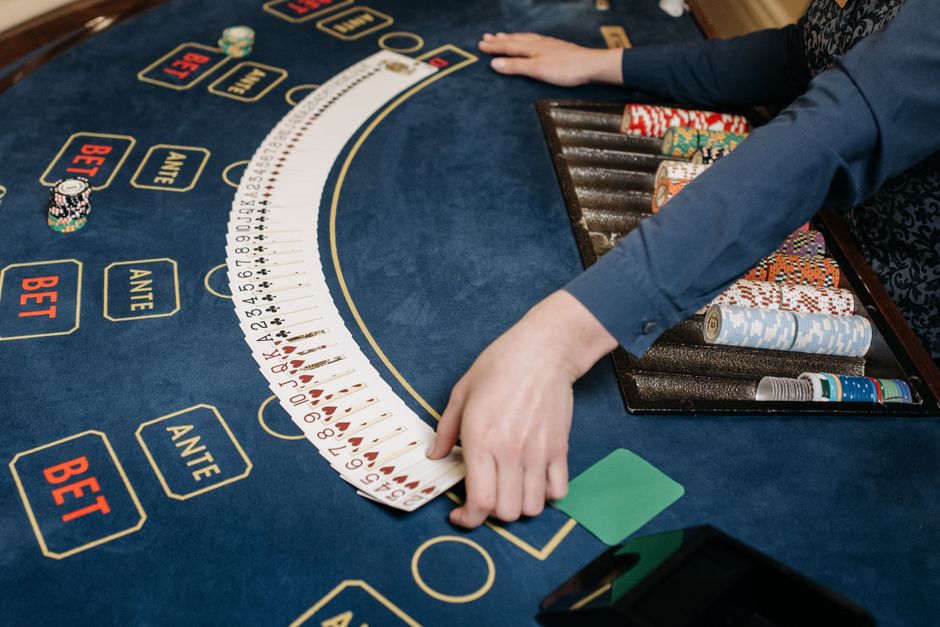
RNG vs. Live Dealers: Which Casino Game Suits You More?
Here is the oldest argument in gambling, and nobody has won it yet: do you trust a machine, or do you...
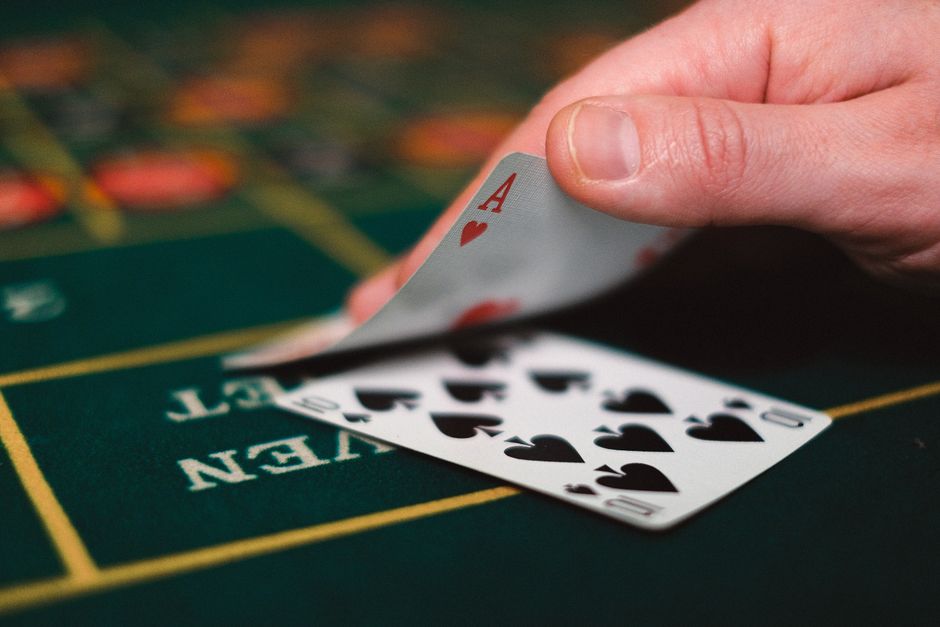
The Real Math Behind Slot Machines (And Why It Matters)
Every gambler has a theory. The machine is "due." The table is "hot." The bonus round is "overdue" after...
About Us