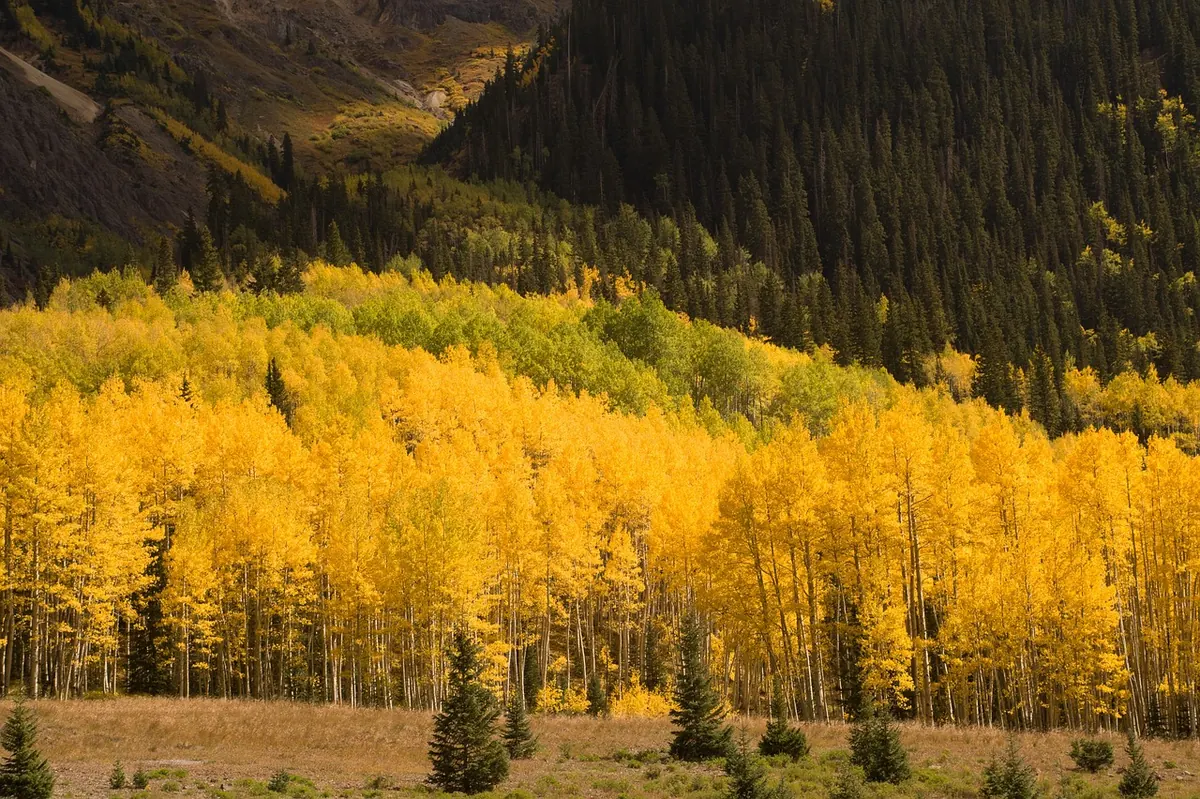
Aspen Trees and Suckering: How to Manage Root Suckers in Small Gardens
Aspen is a tree of movement and light. Its leaves tremble in the faintest breeze, and its pale bark catches the sun in a way few garden trees can match. Then the suckers arrive. In a small garden, the same trait that lets aspen colonise a mountainside can turn a neat lawn into a thicket of young stems. None of this means you cannot grow aspen. It means you need a plan before the first shoot appears.
Why Aspen Produces Root Suckers
Aspen (Populus tremula) is a clonal tree. It spreads by shallow lateral roots, which carry dormant buds. When those roots are disturbed, or when light reaches the soil above them, the buds break and send up new shoots. In the wild, this is how aspen regenerates after fire, grazing or windthrow. A single tree can produce suckers several metres from the trunk.
These shoots are not seedlings. They are genetically identical stems connected to the parent root system. That matters because cutting one off does not remove the root that produced it. The root remains, and the bud may resprout. Suckering is strongest in full sun and on moist, well-drained soil. In shade, suckers tend to be fewer and weaker. A male clone such as 'Erecta' will not produce seed, but it still suckers. The cultivar name tells you about shape, not root behaviour.
Is Your Garden a Good Fit?
Before planting, be honest about space. Aspen wants room. A small courtyard, a narrow border or a lawn only a few metres wide will need constant attention. Look at boundaries: roots can travel under fences and into a neighbour's garden. Check paving, drains and service runs. If the tree is already in, decide whether you are managing it or removing it. Removal is easier to plan early, before roots have spread widely.
If you keep it, accept that suckering is part of the deal. The aim is not to stop every shoot. The aim is to keep the population low enough that it does not take over.
Containment Options That Work
Mowing and cutting
In lawn, regular mowing is the simplest control. Set the blades low and mow every week or two during the growing season. Do not let suckers grow into woody stems. Repeated cutting removes the shoot before it can feed the root system, and over several seasons it weakens the root's ability to push up new growth. A strimmer can reach tighter spots, but keep the line away from the trunk of the aspen; bark damage invites disease.
If suckers appear in a border, pull them by hand when they are small and the soil is moist. A twist and pull often removes the bud at the root. If you only cut them, they will usually return.
Mulch and planting
A thick mulch does not stop aspen roots, but it makes new shoots easier to see and pull. Use a coarse bark mulch, around 5–8 cm deep, kept clear of the trunk. Dense ground cover or shade-tolerant shrubs can reduce light at soil level, which makes suckers less vigorous. This is a slow method, not a barrier. Combine it with mowing or hand removal.
Root barriers
A root barrier is the most reliable option if installed before roots spread. Use a rigid, rot-proof barrier designed for root control, not thin pond liner. Dig a trench around the area you want to protect, at least 60 cm deep, and deeper if the soil allows. Line it with the barrier and leave a lip of a few centimetres above soil level so roots cannot ride over the top. The barrier must be continuous; any gap becomes a doorway.
For a new aspen, install the barrier at planting, leaving enough root space for the tree to grow. A barrier placed too close to the trunk can stress the tree and may increase suckering. If the tree is already established, retrofitting a barrier means cutting roots, which often triggers a flush of suckers. You will need to mow or pull those new shoots for a season or two.
Root Pruning: Useful but Not a Magic Wand
Root pruning is often suggested, and it can help. The idea is to cut the shallow roots that are travelling beyond the area you want to keep clear. Use a sharp spade or a trencher to make a clean vertical cut. Work in late summer or early autumn, after growth has slowed, or in late winter before buds break. Avoid spring, when sap is rising.
Cut a trench 30–40 cm deep along the containment line, then remove the severed roots. If you are installing a barrier, do it in the same trench. Do not root prune close to the trunk; leave a generous root zone. And expect regrowth. Cutting a root can wake dormant buds along its length, so you may see more suckers for a few months. Plan to follow up with mowing or hand pulling. Root pruning is not a one-off job. It is a maintenance task, like hedge trimming.
A Simple Seasonal Routine
Manage aspen suckers by working with the seasons:
- Spring: Walk the garden weekly. Pull or mow new shoots while they are soft. Check barrier edges for escapes.
- Early summer: Mow lawn suckers every 7–10 days. Cut border suckers at ground level or pull them. Do not let them harden into stems.
- Late summer: Remove any shoots that have grown through mulch or along fences. Check that the barrier lip is still above soil.
- Autumn: Cut back remaining suckers before leaf fall. Top up mulch, but keep it off the trunk.
- Winter: If needed, root prune along the containment line. Install or repair barriers while the soil is workable but not frozen.
When Removal Is the Better Answer
If suckers are appearing in paving, drains or a neighbour's garden, or if you cannot keep up with mowing, removal may be the kindest option. Cutting down the aspen does not kill the root system. The stump and roots can continue to send up shoots for years. Stump grinding removes the stump but not the lateral roots.
To remove the tree and its suckers, you need a plan: cut the tree, then keep cutting or mowing every new shoot. This starves the roots over time. If you consider using a stump or root treatment, check the product label and local regulations, and take professional advice. In a small garden, replacing aspen with a tree that does not sucker may be the practical choice. If you want the quaking leaf effect, consider a rowan, birch or a large shrub, but check mature size first.
A Workable Approach for Small Gardens
Keep it simple: if you plant aspen, plant it with a root barrier and enough space. If it is already there, mow the lawn often, pull shoots in borders, and root prune only when you can follow up. Do not expect to win a war; aim for a truce. A well-managed aspen can still be a beautiful tree, even in a modest plot. The key is consistency. Ten minutes with the mower each week will do more than an occasional dramatic rescue.
Photo: ArtTower / Pixabay
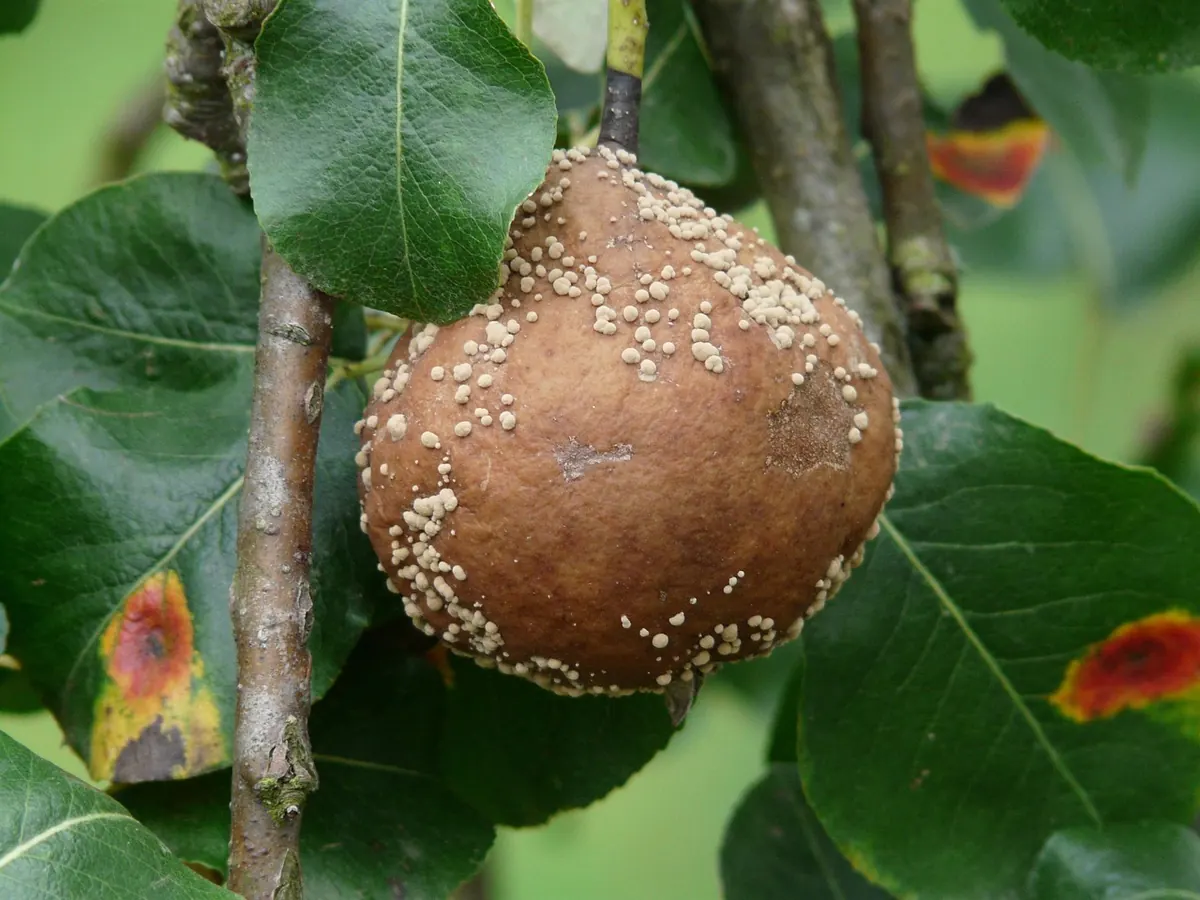
Aspen Leaf Miner and Other Common Pests: A UK Troubleshooting Guide
How to read the damage on aspen leaves and bark, from serpentine leaf-miner trails to gall mites and rust,...
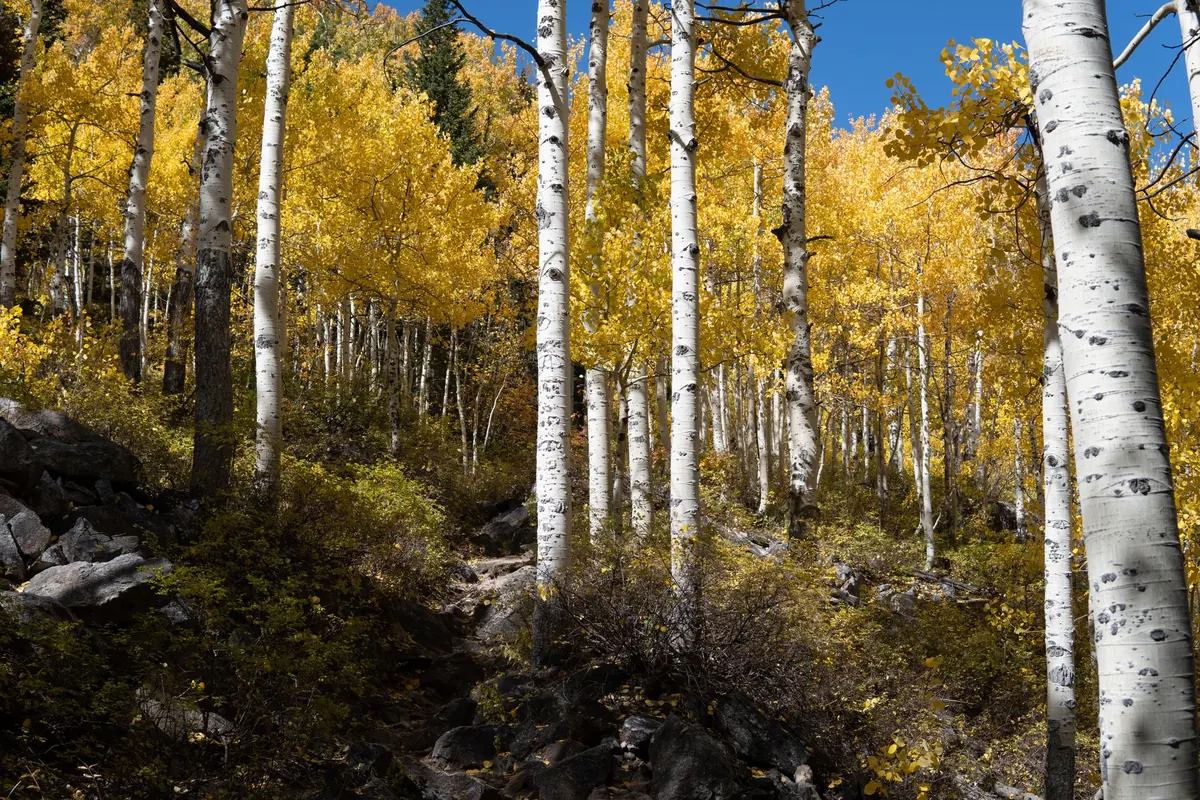
Designing with Aspen: Landscaping Ideas for Small and Large UK Gardens
From flutter-leafed specimen trees to coppiced multi-stem features, here's how to use native aspen in UK...
About Us