Designing with Aspen: Landscaping Ideas for Small and Large UK Gardens
Aspen divides gardeners. Populus tremula — our native aspen — offers almost instant height, leaves that shiver at the faintest breeze, and one of the finest autumn displays in the British Isles. It also sends up suckers with real enthusiasm, and those suckers do not respect a boundary fence.
Used with clear eyes, though, it is a generous garden tree. The trick is choosing the right job for it: specimen, screen, or coppiced feature.
What aspen actually gives you
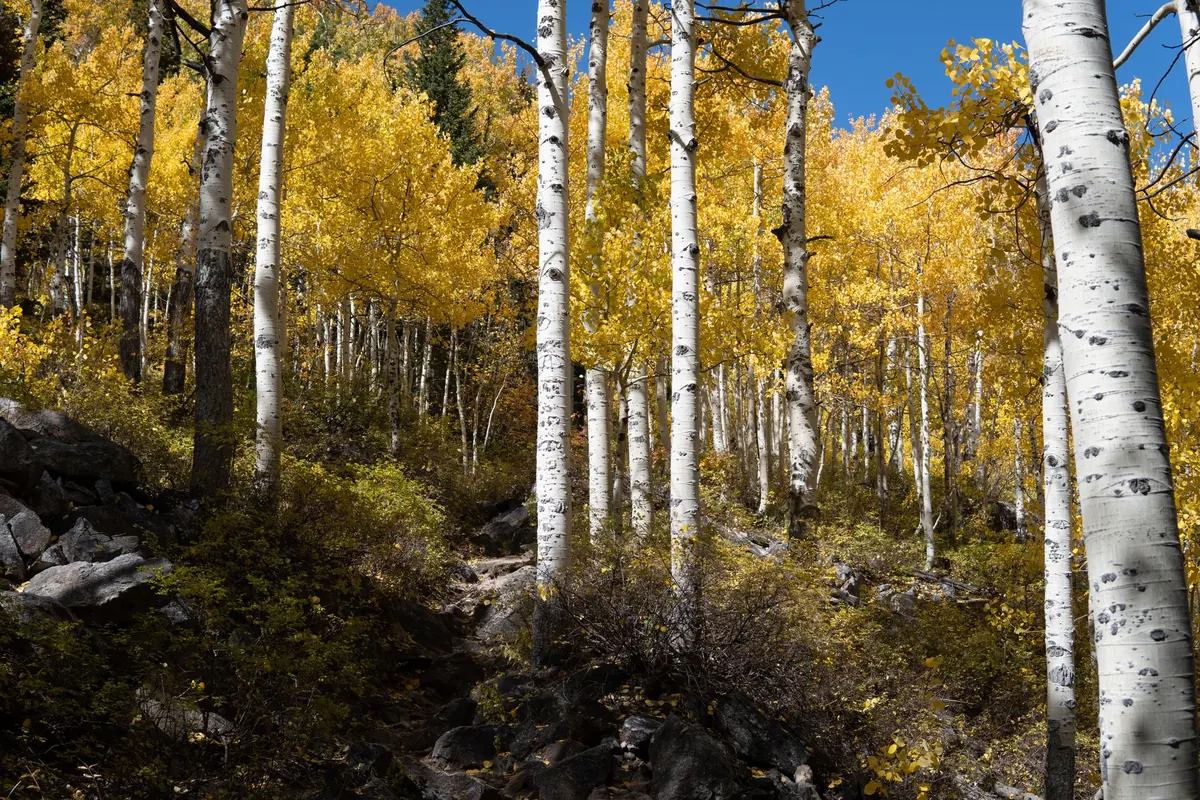
Start with the leaves. Each one sits on a flattened stalk, so the whole canopy quivers and rustles in the lightest air — a sound you notice before you notice the tree. Young stems are pale and smooth, almost birch-like, and in October the foliage turns butter-yellow, occasionally with orange notes on individual plants.
It is quick. Of all our native broadleaves, aspen is among the fastest to establish, and it will put on a metre or more a year in decent ground. It thrives in sun and tolerates a wide range of soils, from damp clay to thin, hungry ground where other trees sulk. That is why it turns up so often on waste ground and railway edges. It dislikes deep, dry shade, and it will not thank you for being planted under an existing canopy.
Wildlife value is genuine: the early catkins open when little else is offering pollen, and the foliage feeds a range of moth caterpillars. The caveat is the one every aspen owner knows. It spreads by root suckers, forming groves, and in a garden that becomes your job.
Aspen as a specimen tree
A single aspen, given room, is a striking thing — upright, fine-textured, endlessly in motion. Set it against a dark backdrop: a yew or holly hedge, a clipped conifer, or a grey stone wall. The pale trunk and flickering leaf will read beautifully, and the autumn gold will look twice as bright.
Site it in open sun with space around the crown. Roots are shallow and hungry, so keep aspen well clear of house foundations, drains, paving and sewer runs — a mature tree will reach 15–20m in good conditions, and its influence underground extends well beyond the canopy. If you want it in a lawn, that is actually convenient: regular mowing keeps suckers in check. Just keep the mower away from the trunk, and leave a mulch ring of a metre or so so the bark stays undamaged.
Avoid planting aspen in the middle of a mixed border. The surface roots will rob everything within a few metres, and the suckers will appear between your perennials.
Aspen as a screen
Aspen is fast enough to make a screen, but it is not a formal hedge. Expect a loose, airy, naturalistic barrier rather than a crisp wall — which suits many gardens better anyway, especially in a wildlife-friendly or meadow-style scheme.
Plant bare-root whips 2–3m apart for a row that will knit together and close the view within a few years. Closer planting at 1.5m closes faster but leaves you thinning before long. Before you dig, think about who is on the other side. Aspen suckers travel readily, and a row on a boundary will send shoots into a neighbour's lawn, border and vegetable patch.
Keeping a screen under control
The reliable technique is rotational coppicing. Cut a proportion of the stems hard to the ground each winter — leaf fall to late February is the window, and it keeps you clear of nesting birds — and let them regrow. You end up with a screen that stays lower, gets denser, and never quite becomes a problem tree.
A root barrier installed at planting time will slow the spread. Choose a heavy-duty barrier and set it at least 60cm deep; even then, treat it as damage limitation rather than a guarantee. If a screen on your boundary is the only option, a mown strip on both sides is your best ally, because repeated cutting weakens suckers over time.
Multi-stem and coppiced aspen
This is the way to use aspen in a moderate-sized garden, and arguably the way it looks best. Cut a young tree down to 15–30cm above ground in late winter, and it will throw up several strong stems from the stool. Repeat the cut every two to four years. You get oversized leaves, a bold architectural clump, and a plant that stays at three or four metres instead of twenty.
Group three coppiced aspen stools in a triangle for a small grove — the classic aspen composition — or use one as a focal point in a damp corner where the ground stays heavy all winter. It pairs naturally with water: a pond edge, a boggy dip, the low spot where the lawn squelches. The stool itself stays put, but suckers will still appear in the surrounding grass, so plan a mown area around the clump rather than planting it into an immaculate border.
Companion planting that works
Under an aspen you are gardening in light shade with dry, competitive roots. Choose plants that cope with that, and keep them away from the trunk itself. Anything greedy or thirsty planted straight at the base will either fail or fight.
- Spring bulbs — daffodils, snowdrops and snakeshead fritillary in damper spots, all finished before the canopy fills.
- Woodland perennials — wood anemone, lungwort, brunnera, hellebores and astrantia.
- Ferns — male fern and Japanese painted fern, which enjoy the dappled light.
- Grasses — tufted hair grass and purple moor grass, good in damp ground and lovely backlit.
- Ground cover — Geranium macrorrhizum or creeping dogwood to knit the surface and hide sucker stubs.
- Shrubs for structure — coppiced dogwood for winter stems, or hazel, both happy in similar conditions.
Aim for contrast. The pale aspen trunk and golden autumn leaf look superb against deep evergreen greens and late-flowering perennials, so resist the temptation to fill the space with more yellow foliage.
Small gardens: an honest answer
A full-size aspen is rarely right for a small garden, and it is better to hear that now than in five years. A coppiced stool in a generous bed, with a mown strip around it, is workable — but it still suckers, and it still needs attention every winter. Growing one in a large pot is only a short-term answer; aspen grows fast, resents restriction, and will need planting out or rehoming.
If what you love is the movement and light foliage rather than the species itself, a birch, amelanchier or rowan will give you much of the same effect with far less policing. If it has to be aspen — and in a wet, awkward corner, it often should be — buy bare-root plants from a reputable nursery in winter, check the label says Populus tremula, and give it the space it will eventually demand.
Planting well and living with the suckers
Plant bare-root aspen between November and March, or pot-grown plants at almost any time with careful watering. Dig a square hole slightly wider than the roots, set the tree at the same depth it was growing before, firm it in, and mulch with well-rotted compost, keeping the mulch clear of the trunk. Water thoroughly through the first two summers, even if the tree looks settled.
Stake only on exposed sites, with a low tie that allows some movement, and remove the stake after two or three years. Suckers are best mown with the surrounding grass or sliced off just below soil level with a spade — pulling at them when they are small tends to encourage more. If they cross a boundary, raise it with your neighbour early rather than waiting for a row to develop.
Two final checks before you cut anything substantial: aspen in a conservation area, or covered by a Tree Preservation Order, needs consent from your local authority, and any tree work should avoid the nesting season. Do those checks first, then enjoy the rustle.
Photo: Andrew Dibble / Pexels
Aspen Leaf Miner and Other Common Pests: A UK Troubleshooting Guide
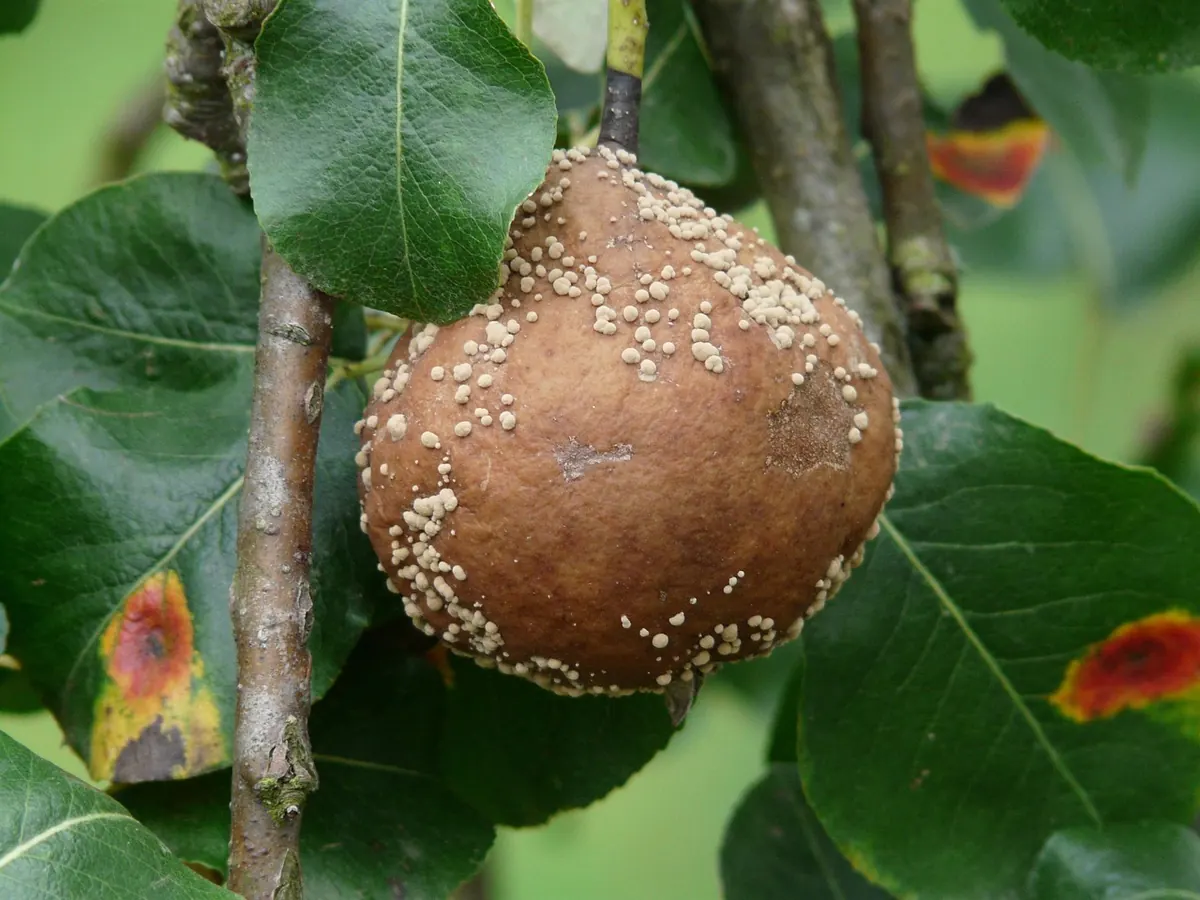
How to read the damage on aspen leaves and bark, from serpentine leaf-miner trails to gall mites and rust,...
Are Aspen Trees Invasive in the UK? An Honest Explainer
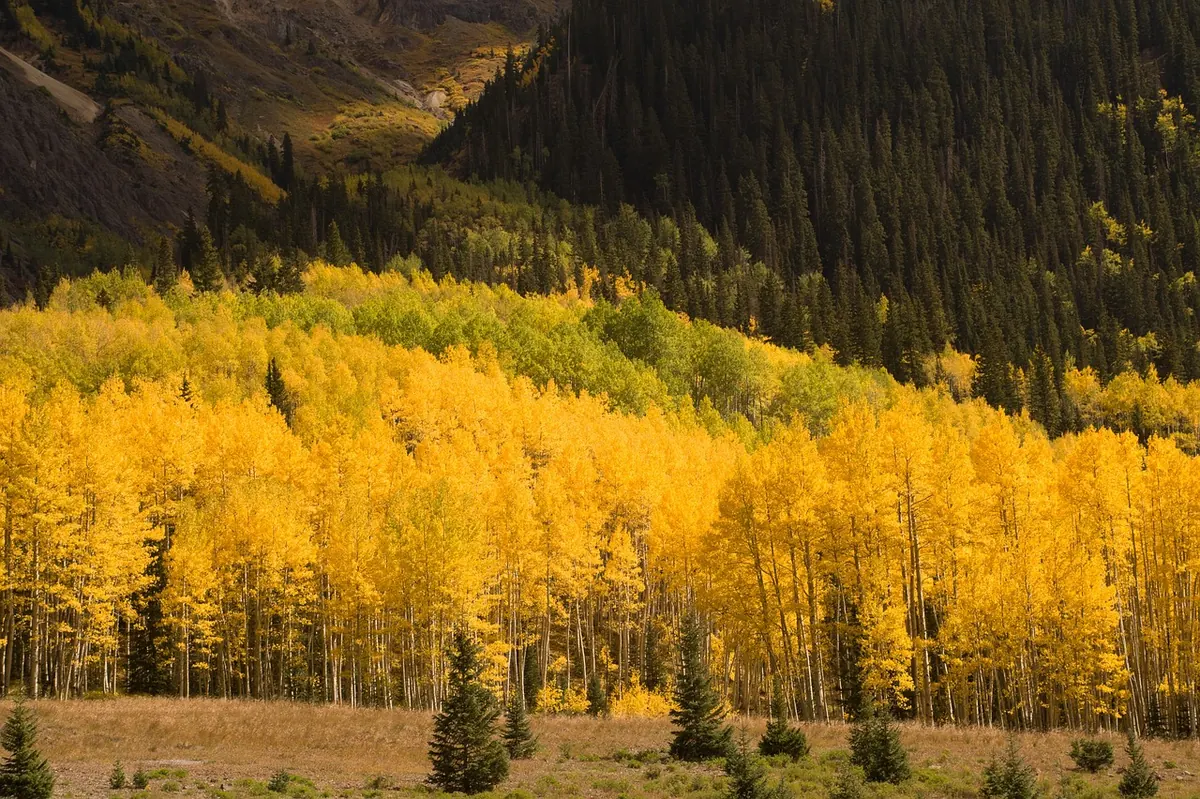
Aspen is a true British native, not an invasive species — but its suckering roots can still cause trouble...
About Us